At the Intersection of Deep Narrative Theory and Generative artificial intelligence.
The Master of Science In Cinematic AI For Film and Media at NYFA’s Cinematic AI Center is an unprecedented, accelerated one-year, 36-credit graduate degree in Los Angeles built for advanced visual storytellers, writers, and digital creators ready to operate at the intersection of deep narrative theory and cutting-edge generative technology. Unlike programs focused purely on software engineering, this degree is grounded first in story: theme, character arcs, conflict, and cinematic syntax. From that foundation, students progressively master computational systems, machine learning pipelines, and hybrid production workflows to become “Master Creators” of synthetic and hybrid media.
The program prepares graduates for professional roles across the entertainment industry in visualization, VFX, development, consulting, and physical production. Students master an agile narrative loop: write, visualize, repeat. Learning how to computationally map, generate, and control visual stories with the authorial command of a director and the technical fluency of a systems engineer.
Become a Master Creator of Synthetic and Hybrid Media
Analyze and construct complex narrative structures using both traditional story fundamentals and computational prototyping models.
Command the algorithmic logic of aesthetic learning, latent space, and multimodal systems to support story objectives.
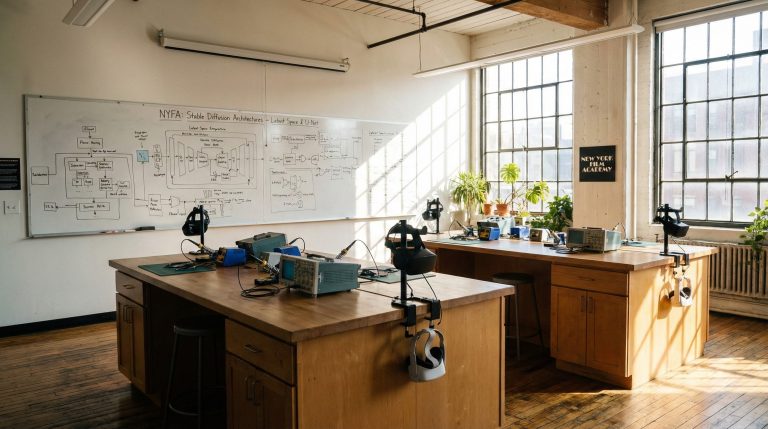
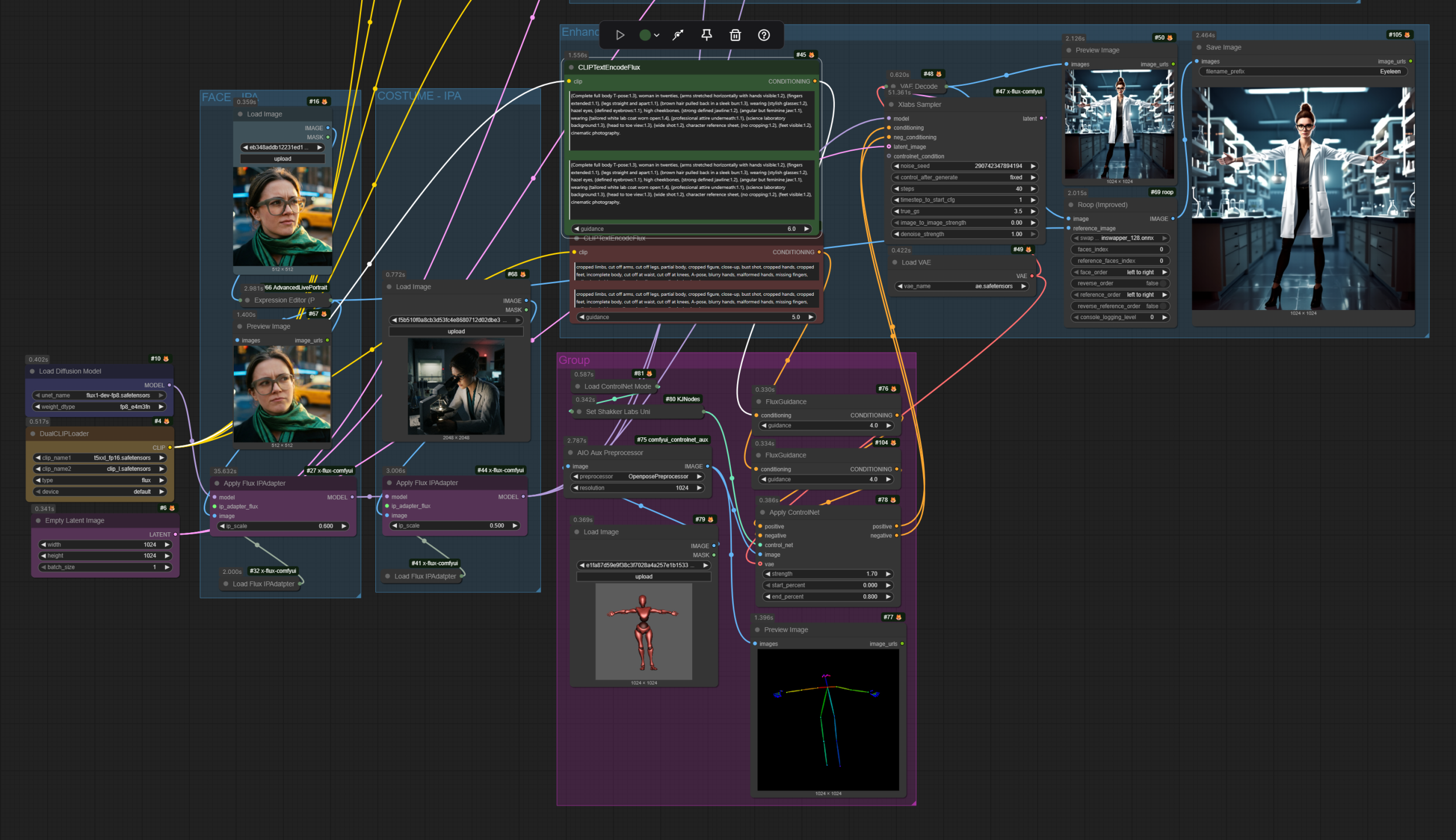
Execute “film-language prompting” and build node-based workflows to manage spatial hallucination, character inconsistency, and narrative continuity.
Synthesize traditional live-action cinematography with machine learning using physical camera data, LED volume walls, and motion capture, ensuring output remains firmly director-authored.
Navigate the complex legal and ethical landscape of synthetic media, including copyright law, algorithmic bias, union guidelines, and provenance tracking.
Curriculum
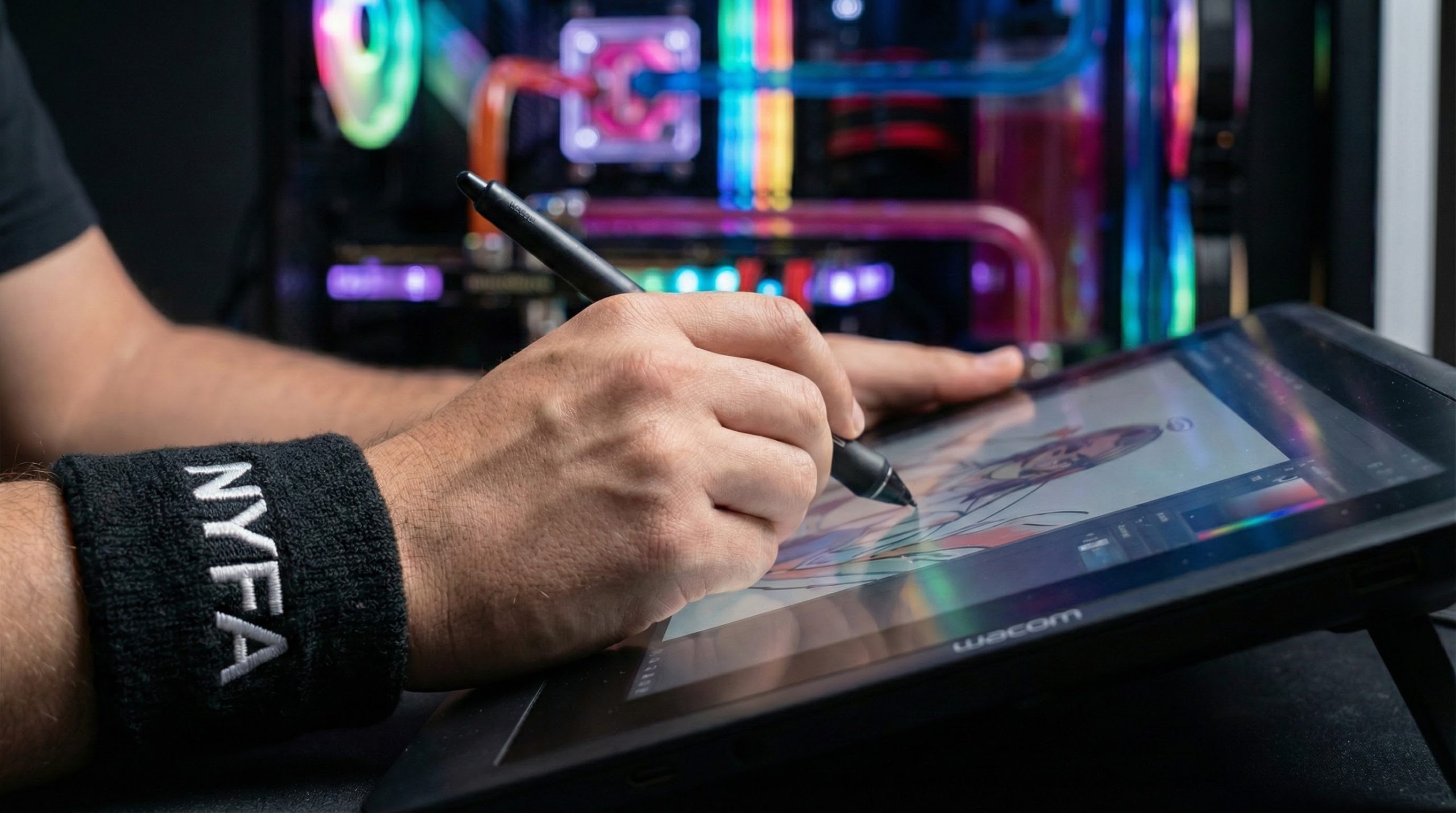
The first semester establishes a profound understanding of story mechanics and how generative tools interpret narrative data.
- Visual Narrative Theory & Story Fundamentals: A deep dive into theme, character arcs, conflict, tension, stakes, and change. Students analyze cinematic syntax and subtext, grounding all future computational work in story.
- The Architecture of Latent Space: A rigorous technical exploration of generative mechanics, diffusion model fundamentals, LLM architecture, and multimodal systems unpacking the mathematical process transforming text and tokens into coherent visual narratives.
- Agile Narrative Prototyping: An intensive writing and visualization lab where students practice a continuous outline, pages, visualization, and revision loop, a script-to-visual prototyping feedback loop using AI-assisted ideation while maintaining strict human authorship.
The final semester transitions from narrative theory into rigorous, applied visual execution at a professional level with focus on the business, law, and ultimate creative application of computational narratology — culminating in a rigorous three-part capstone defense.
- Advanced Multimodal Generation: Students execute complex workflows and non-language prompting. Working on camera, focal lengths, depth of field, and lighting logic across text-to-video, image-to-video, and video-to-video modalities.
- Systems Thinking for Reproducible Pipelines: Students master node-based workflows (e.g., ComfyUI) to build modular, versioned “workflows” that maintain character consistency and spatial geography across cuts, managing generative unpredictability in service of the story.
- Hybrid Capture as Narrative Foundation (Studio Lab): A production-heavy studio synthesizing traditional live-action cinematography with machine learning. Students capture physical performances using motion capture and LED volume walls, applying control networks, and training low rank adapters to ensure the output remains firmly authored by the director.
- AI Protocols and Media Law: Examines the complex legal landscape of synthetic media — intellectual property, copyright, algorithmic bias, and current union guidelines (SAG-AFTRA and WGA). Students develop rigorous provenance and metadata tracking practices.
- The Political Economy of Synthetic Media: An analytical seminar exploring how computational workflows are reconfiguring film professions, studio hierarchies, and the democratization of visual effects.
- Thesis Development & Review: Under the guidance of professionally active faculty, students finalize and defend their three-part Capstone deliverables.
Capstone Candidates must successfully defend three interconnected deliverables
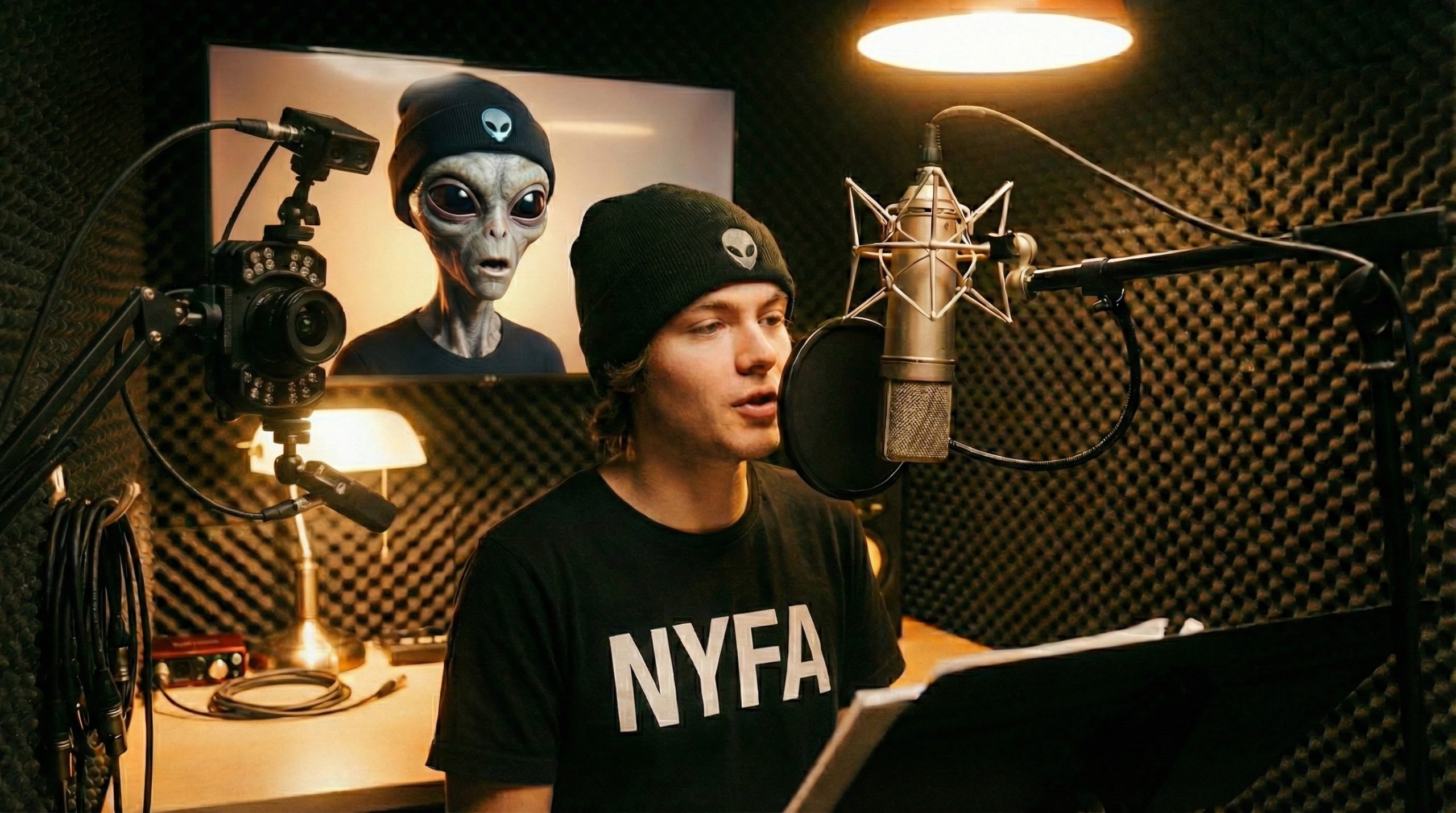
Hybrid Cinematic Work:
A polished 5–15 minute short film seamlessly integrating live-action elements with generative outputs, demonstrating absolute directorial control over narrative continuity and emotional intent.
Technical, Design, or Narrative Systems Whitepaper:
A granular breakdown of the exact technical workflows, AI-enhanced regression analysis of cultural trends, and hybrid capture control strategies utilized during production.
Computational Narrative Analysis:
A formal research paper evaluating the film’s structural beats, archetypes, and thematic resonance — detailing precisely how computational tools and agile prototyping were used to strengthen the cinematic storytelling
Master of Science In Cinematic AI For Film and Media
| Location | Program Start Date and End Date | Tuition | |
|---|---|---|---|
| Los Angeles | January 11, 2027 – August 21, 2027 August 30, 2027 – April 22, 2028 | Tuition:$12,500 Per Semester Departmental Program Fee:$1,000 Program Duration: 2 Semesters | |