LA-Based Campus and Stages
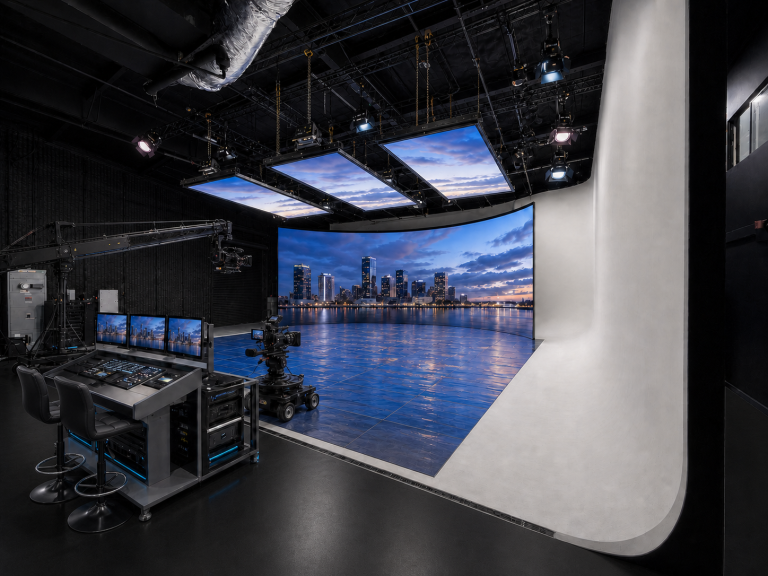
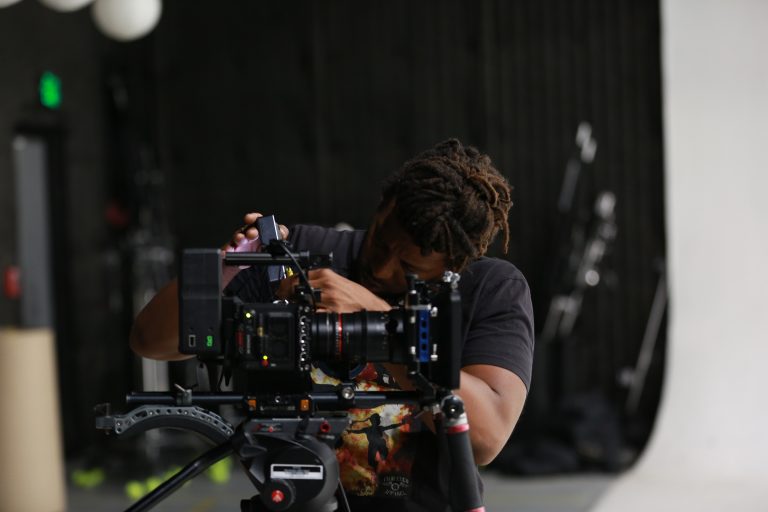
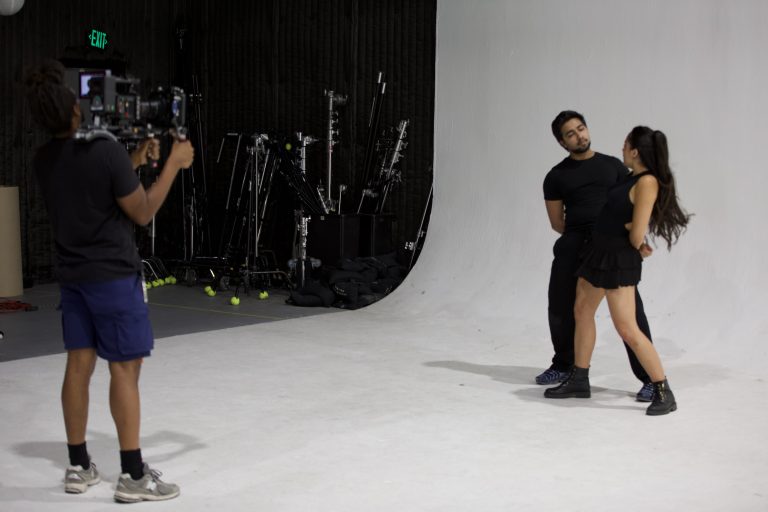
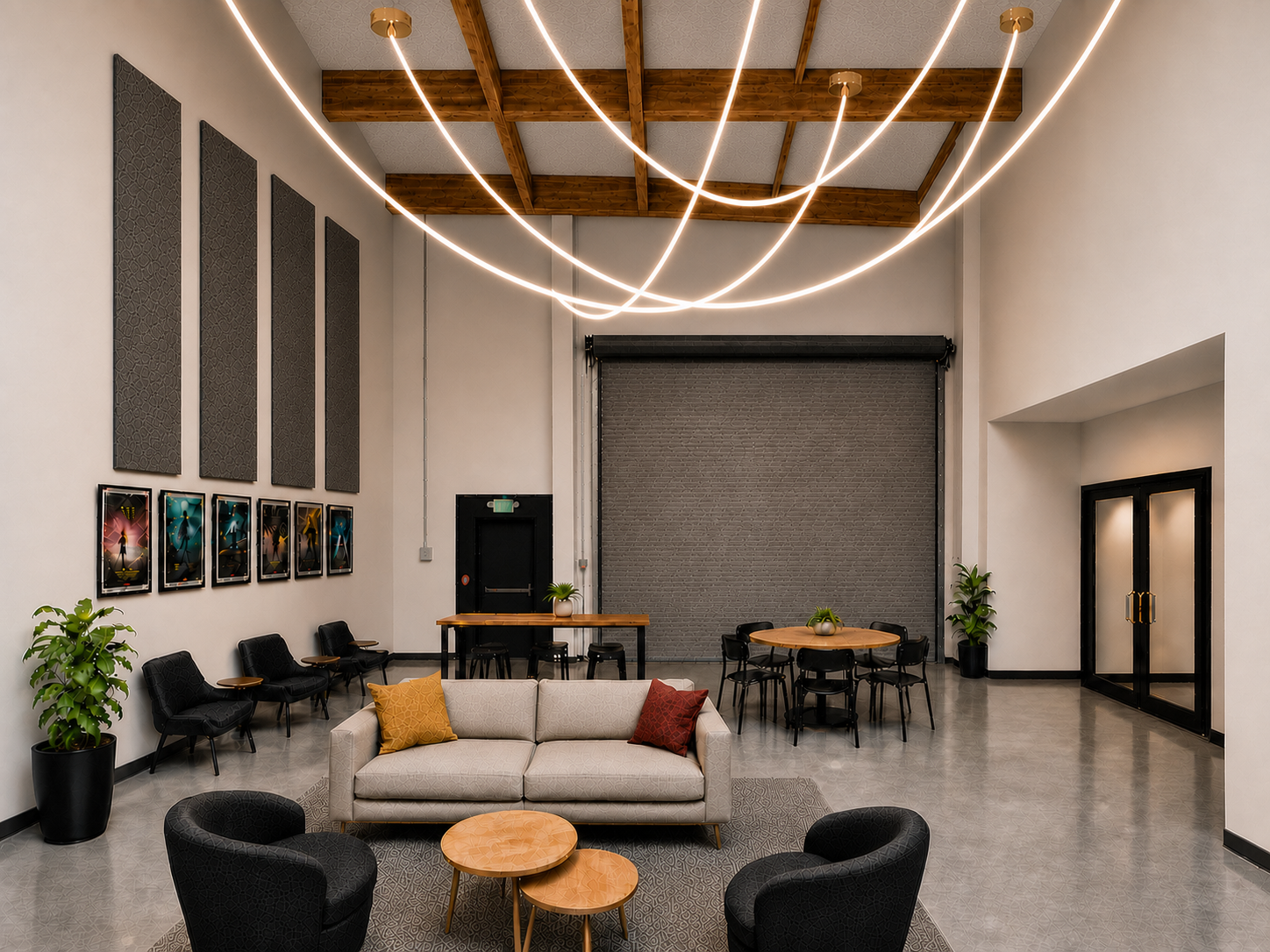
Welcome to the physical environment where traditional cinema craft meets computational power. Located in Glendale, California, the Cinematic AI Center’s state-of-the-art facility is custom-engineered for our hybrid production methodology. Rather than keeping technology abstract, this physical footprint provides students with an immediate, hands-on production loop to capture real-world data, direct physical talent, and render advanced generative workflows all under one roof.
Production Stages & Spaces
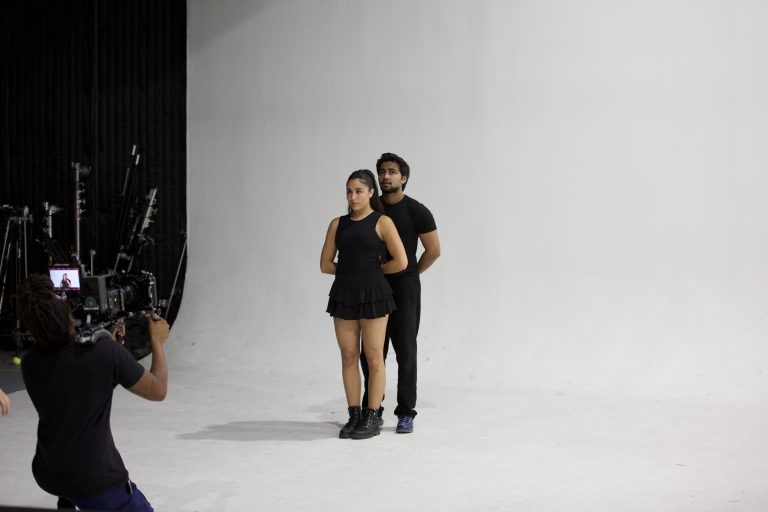
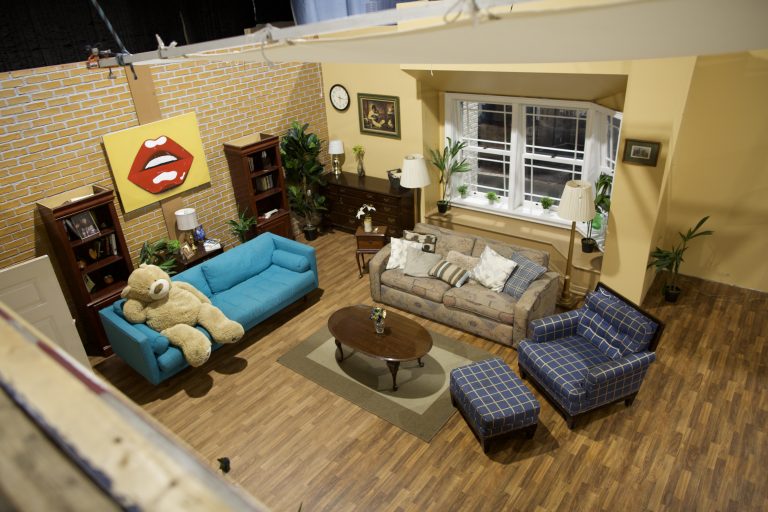
Our specialized stages allow students to execute a “human-to-AI-to-human” production pipeline, using live environments and physical capture as the literal foundation for advanced machine learning.
Grip & Electric (G&E): Comprehensive, professional studio lighting kits and grip gear, ensuring students learn physical lighting mechanics before attempting to prompt complex light behavior in latent space.
Reality & Environment Capture: Advanced tools for digitizing the real world, including Scanning equipment and HDRi capture kits used to map spatial geography, generate accurate lighting maps, and anchor new forms of data acquisition like Gaussian Splatting.
Aerial & Stabilization Tools: Heavy-duty Drones for expansive spatial data capture and professional Gimbals for fluid, authored camera movement.
Post-Production & Computing Power
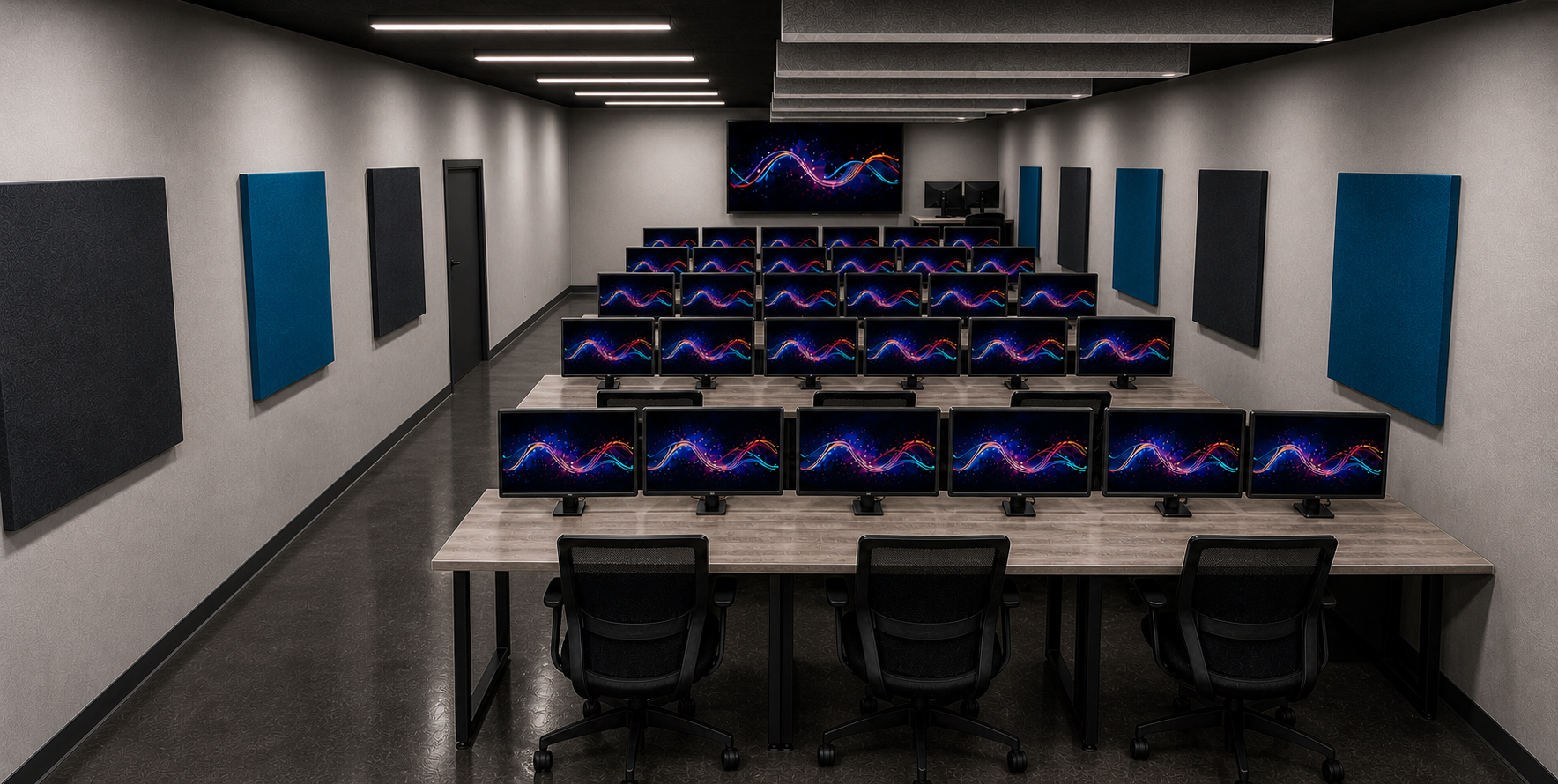
Computer Labs: High-performance, enterprise-grade computing hubs built to withstand the rigorous processing demands of modern creative technologies. Every workstation features high-end GPUs capable of running node-based pipelines (such as ComfyUI), modular recipes, and localized model training. These spaces bridge the gap between production and post-production, giving students the infrastructure to write, edit, iterate, and finish heavy synthetic media sequences locally and securely.